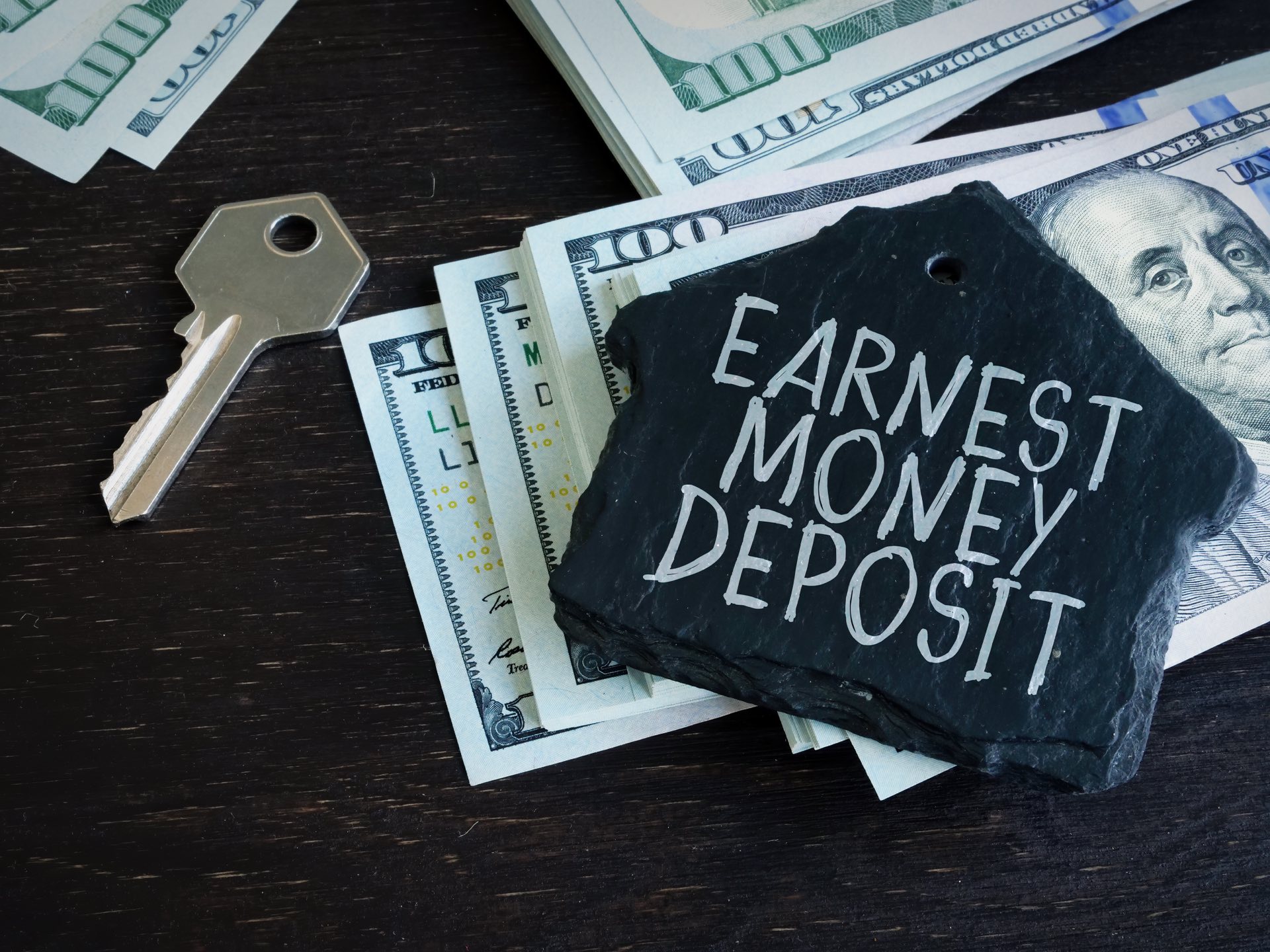
Buying a home is one of the biggest decisions you’ll ever make, and part of that process includes something called an earnest money deposit (EMD). If you’ve ever wondered what this is and why it matters, you’re not alone! Let’s break it down into simple terms to help you understand how EMDs work and how you can protect your hard-earned money throughout the home-buying process.
What is an Earnest Money Deposit?
An earnest money deposit is a way to show the seller that you’re serious about buying their home. It’s usually paid after you’ve agreed on a price with the seller and signed a contract. The money is held in escrow by a neutral third party, like a real estate agent or title company, until everything is finalized.
Typically, an EMD is between 1% and 3% of the home’s purchase price. So, if you’re looking at a house in Chesterfield that costs $300,000, your earnest money deposit might be between $3,000 and $9,000. The good news is that this money is applied to your down payment or closing costs once the deal goes through.
Why Does Earnest Money Matter?
Earnest money deposits are important because they show the seller you’re committed. If you decide to back out of the sale without a valid reason (like issues found during the home inspection or trouble securing financing), the seller could keep the deposit. On the other hand, if you’ve got everything in writing—including a clear earnest money deposit agreement and a purchase agreement that outlines any conditions—then you’re much more protected.
Tips for Protecting Your Earnest Money Deposit
- Stay on top of deadlines: Missing a deadline for inspections or securing financing could put your deposit at risk. Keep an eye on the calendar and make sure you meet all the agreed-upon dates.
- Keep communication open: Keep in regular contact with your real estate agent and lender. If any issues come up, addressing them early can prevent problems later.
- Be proactive: If something comes up—like a delay with your loan approval—let the seller know right away. Working together helps when finding a solution that works for both sides.
- Put everything in writing: Always get changes or agreements in writing. Verbal agreements aren’t enforceable, and you want to make sure you have everything documented to protect your deposit.
Why Having a Lawyer Can Help
There are a lot of moving parts in a real estate transaction, and things can sometimes get complicated. This is why having an experienced lawyer by your side is a smart idea. We can review your contract, explain your rights regarding the earnest money, and help you avoid the usual pitfalls. If any issues do arise, our real estate attorney can also step in to make sure you’re protected.
Partnering with a trusted law firm like Wallach & Associates, P.C. can make the entire home-buying process smoother by giving you peace of mind that your interests—and your money—are safe. Call us today at (314) 308-2900.